A heritage property site that sets the rules before the tour
A historic estate or mansion website has to do something a modern venue site does not: explain, before a couple ever books a tour, that the property has real restrictions on vendors, decor and noise because it is a protected or heritage building. Stating those rules clearly up front, alongside the history that makes the estate worth booking, screens in couples who are genuinely a fit and screens out the back-and-forth that follows when rules surface late.
What usually goes wrong for historic estates and mansions
Vendor and decor restrictions, like no open flame or no nails in original woodwork, are only mentioned in a contract after a couple has already fallen for the property.
The tour and rental process for a heritage property, docent-led walkthroughs, rental fees, deposit timing, is never explained on the site itself.
Permit, noise and curfew requirements tied to the property's historic or municipal status live in a PDF nobody reads before booking.
Photography leans entirely on the building's history, so the site undersells that the estate is genuinely set up to host a modern wedding or reception.
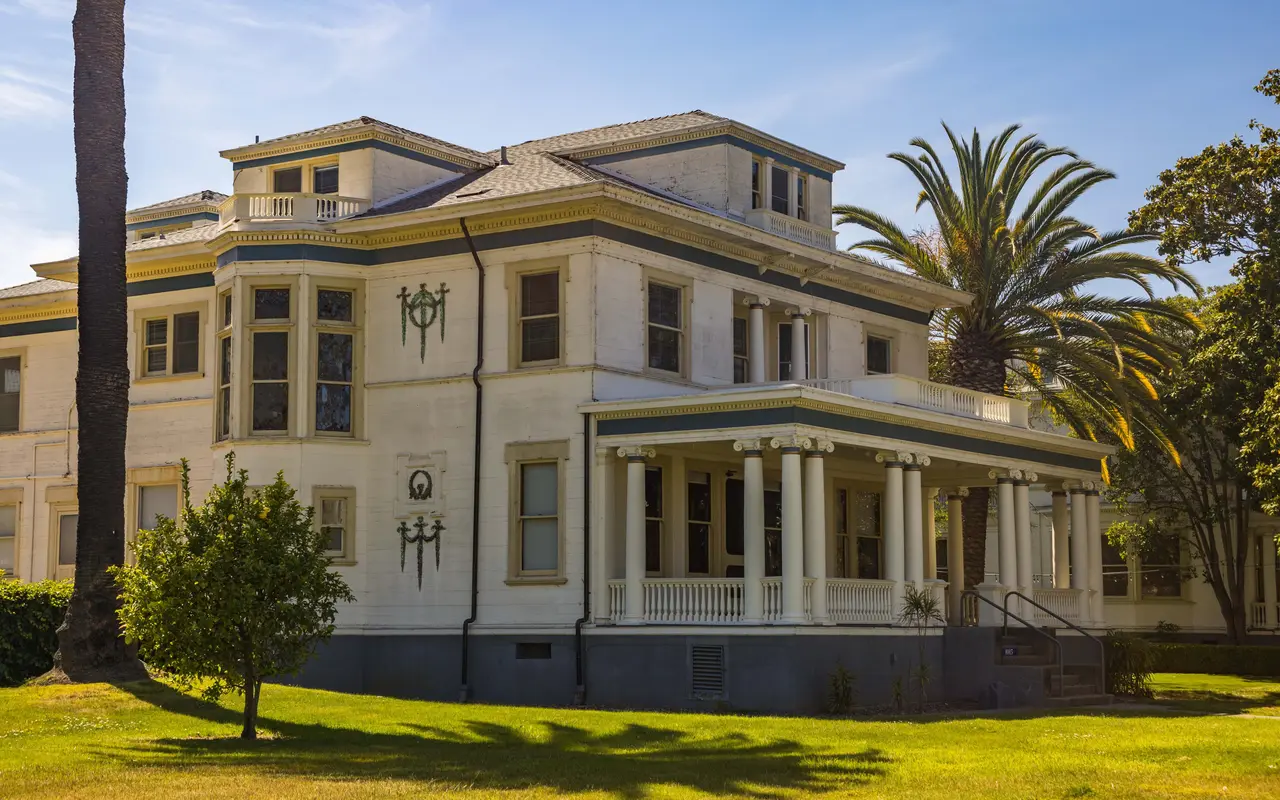
A historic property. The restrictions belong on the page, not in a PDF sent after the tour.Photo: Robert So on Pexels
Shown the way it is sold
One space, every setup a buyer might picture
A photograph of the empty room answers almost nothing. Your site groups images by room and by setup, so a visitor comparing historic estates and mansions sees the version of your space closest to the event in their head, then the capacity figure for that exact layout underneath it.
We build for historic estates and mansions across the United States, including Texas, California, Florida, New York and Illinois. Your own service area pages cover the cities and counties you genuinely draw from.
The pages your site will carry
Every page below is built and managed for you, not a template you fill in yourself.
1Home
2History of the estate
3Ceremony and reception spaces
4Preferred vendors and restrictions
5Permits and rules
6Packages and pricing
7Gallery
8Book a tour
Vendor and restrictions guide
An always-current page listing approved vendors and the estate's specific rules on decor, open flame and load-in, so a couple sees the full picture before booking a tour rather than after signing a contract.
From venues like yours
What venue teams tell us changed
Service scope and expectations for event space inquiries
We took the wording about event space inquiries seriously, and I am glad we did. The page describes the process faithfully and leaves the judgment calls to a conversation with our team. Correcting the site's accidental promises is no longer part of our calls.
AMAndrew MeadowlarkClient liaison, Historic house events venuePlano, TX
Staff handover and maintenance notes for event space inquiries
I judge a project by what happens after launch, and the event space inquiries handover passed. There is a page inventory, update instructions, and named owners with backups. It has already earned its keep during one absence and one staff change.
MRMichael RavenswoodReception supervisor, Stately home events hireGreen Bay, WI
Inquiry form and response workflow for event space inquiries
If you only look at the design you miss the best bit, which is the inquiry form. Every submission arrives with event date, guest count and room preference filled in, which used to take us a second email to obtain. Most mornings I can prepare for the callback from the first message alone.
BSBrooke ShackletonOffice manager, Community center hire venueBaton Rouge, LA
Can the site list our vendor restrictions without sounding discouraging?
Yes. The vendor and restrictions guide frames rules as part of what protects the property's character, the same reason the couple wants to hold their event there, rather than as a list of things they cannot do. That framing tends to filter in couples who are already comfortable with a heritage venue.
How do permit and curfew requirements get shown to couples?
On a dedicated permits and rules page, written in plain language rather than reproduced from a municipal document. It covers what a couple needs to know before booking; it does not constitute permit filing or legal advice, and your venue remains responsible for the actual approvals.
What does a historic estate website cost?
Plans start at $127 a month, with a one-time $697 build fee invoiced after launch. The base plan is live in 7 days, though estates with a deep history section or an interactive tour often add a revision or two, covered by the 5 included each month.
Do you provide historic preservation, permitting or legal guidance?
No. VenueWebStudio is a website design and management company, not a preservation consultant, permitting authority or law firm. We build the pages that present your restrictions and permit information clearly; the rules themselves, and compliance with them, remain your venue's responsibility.
See it built for historic estates and mansions
A live walk-through, on your screen, of the site you would get.